
John Oens, an experienced hunter, spends a lot of time in the woods. One November day, he and his friends had gone hunting in the Wisconsin woods. As he was checking the traps he had set up, the unthinkable happened. When he went to check out his coyote traps, he was surprised to find something much larger than he expected. When the crew discovered this find, they couldn’t believe what they were seeing. As you can imagine, this event had a profound effect on them.
Once A Hunter Caught An Injured Wolf In His Coyote Trap, He Realized What He Had To Do To Take Care Of It
In the woods, one of the traps had a large animal trapped inside. In every way, this was a bad situation to be in. It could have been fatal if they didn’t handle it correctly. A wounded animal is never fun to deal with, but these animals had it even worse. An adult coyote wasn’t tinier than that. They could be killed if those teeth sunk into their limbs or legs. When they found the monster in the woods, what were they going to do with it?
Facing The Wolf
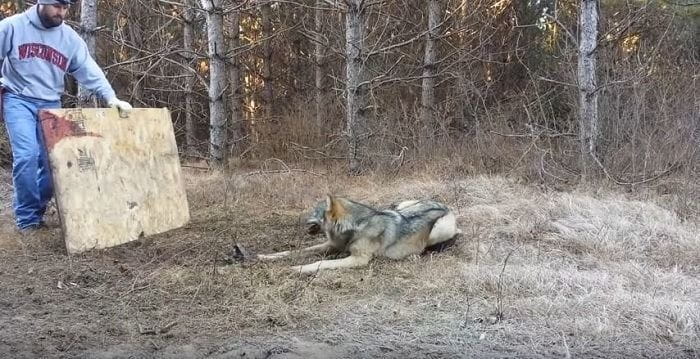
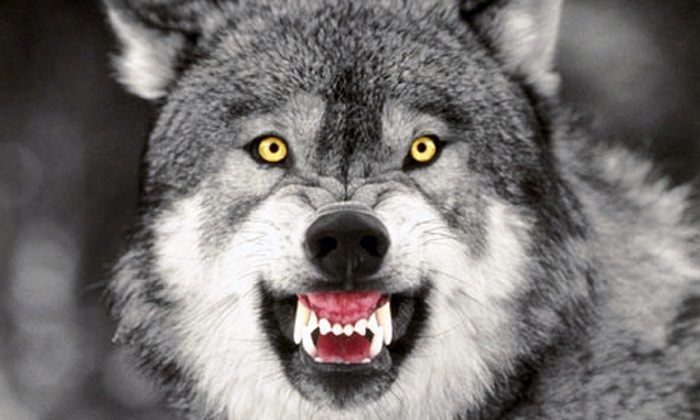
John Oens was having a typical day when he received a phone call. In contrast, the hunter had no idea what he was getting himself into when he went to inspect the trap he’d constructed. Instead of finding a coyote, he came across a massive timber wolf. It was struggling to free its entangled front paw from the catch.

Facing The Wolf
As he was well aware, this was not a lighthearted matter. He feared he would be attacked if he tried to rescue the wolf on his own. John was adamant about not having his arm amputated. At any moment, this monstrous creature could turn on him if it were in an angry mood. The young man was fully cognizant of the danger he was in. In this situation, there was no room for error.
Drawing A Plan
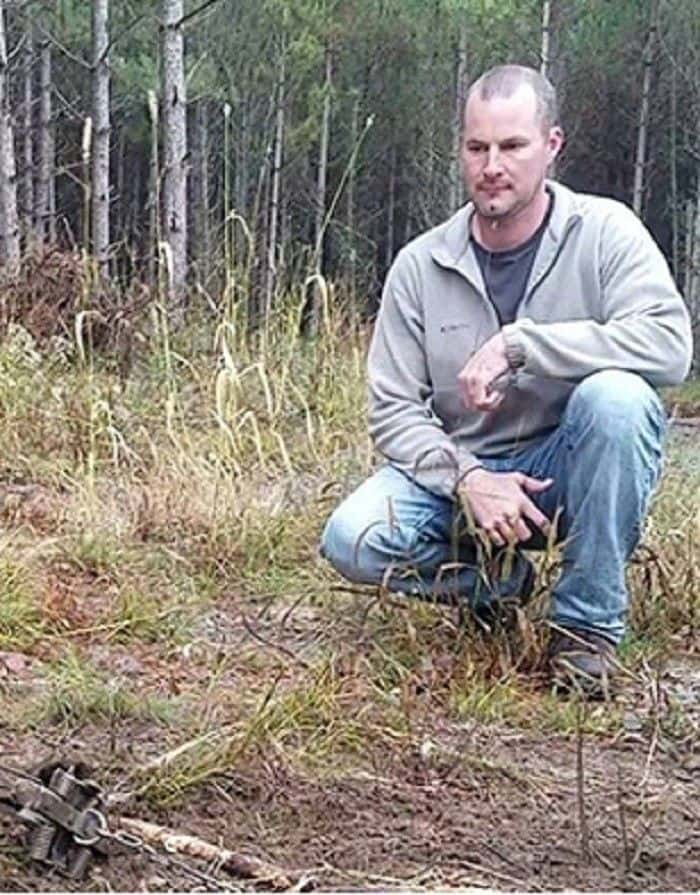
No one could deny that John was in a difficult position. He was afraid to abandon the wolf. If the animal is bleeding or exposed, it could die, or it could even gobble up a chunk of its own leg. He was uninterested in any of them. John had to come up with a way to handle such a complex issue while ensuring that no one was hurt.
Drawing A Plan
That the traps were designed to catch smaller animals saved our lives. Without teeth, it held onto the animal it came into contact with. A set of handcuffs almost felt like it! It was difficult for any animal to evade its grasp without human intervention. John had to make a choice and determine how he could assist the wolf. He was not going to let it go unattended.
A Dangerous Creature
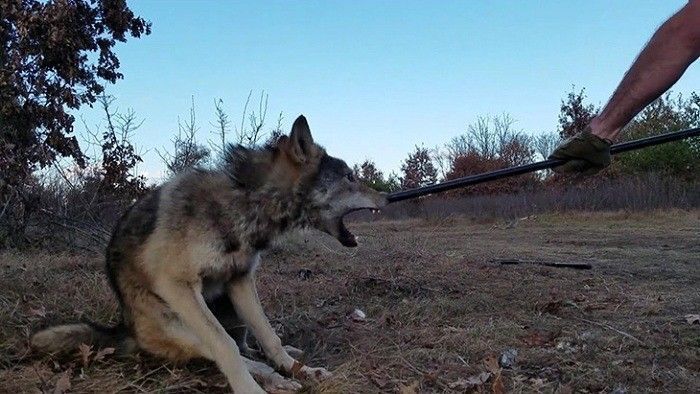
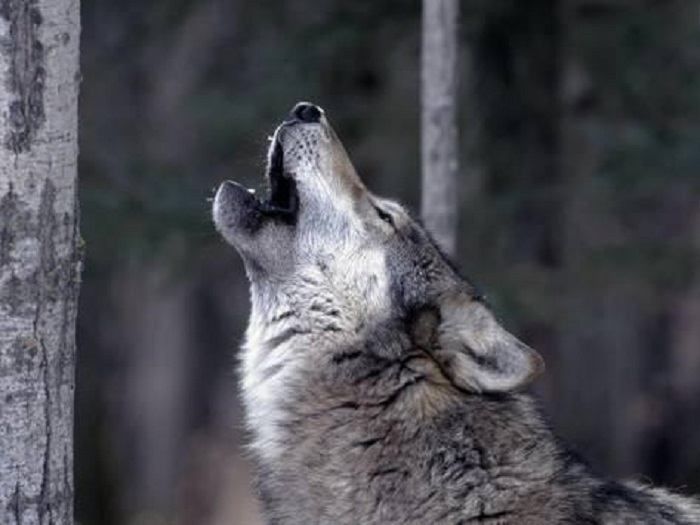
Even if the trap does not injure the coyote or wolf, it does not mean they will be content when they are captured. Because of the scenario, the wolf howled, not because it was distressed. Trapped people don’t like it. Even more so, the creature must have been perplexed by the situation.
A Dangerous Creature
True, wolves rarely attack humans in the wild, especially lone ones. In contrast, a person who feels trapped is more likely to act out in a negative manner. The timber wolf had to be allowed out of there if John was going to let it. Because of his help, would it be grateful, or would it attack him? He had no idea what was going on.
Illegal To Hurt It
Did you know that the US Fish and Wildlife Service has designated the timber wolf as an endangered species? This was a clear sign that it was on the verge of extinction! Furthermore, the state of Wisconsin prohibits the killing of this animal. For fear of being prosecuted and facing jail time, he decided against shooting the animal.

Illegal To Hurt It
To do anything else would have been a waste of time. John had no choice but to let the animal go, regardless of how risky it might have been. I’ve never seen him so nervous and scared in my life! As they looked at each other, it was clear that they both wished the pain would end. Is it true, though, that John was absolutely certain it had to be a timber wolf?
Coyote Or Wolf
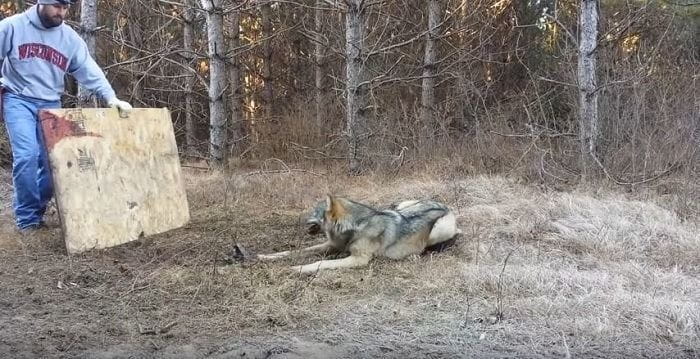
Coyotes and wolves are often mistaken for one another by those who aren’t familiar with the animal’s behavior. Wolf and coyote may look alike from the outside, but wolves are much larger. Both animals share the same skin tone and texture of fur. At first glance, you might mistake them for dogs! It’s possible that John made a mistake in identifying his animals.
Coyote Or Wolf
One of his friends brought this up. They started to wonder if it was a wolf or a coyote. The friends started arguing with one another. Before deciding what to do, they wanted to know what kind of animal it was. John was eventually convinced that it was a timber wolf due to its markings and size.
The Timber Wolf
Do you know what distinguishes timberwolves from other wolves? Gray wolves are another name for this species. It’s found all over North America and Eurasia. They are enormous creatures, weighing up to 100 pounds! Gray fur with white and black markings can be found all over their bodies.

The Timber Wolf
Timberwolves can live for a long time in ideal conditions. These species have also been known to live up to 16 years. They are social animals with a high level of intelligence.
Men And Wolves
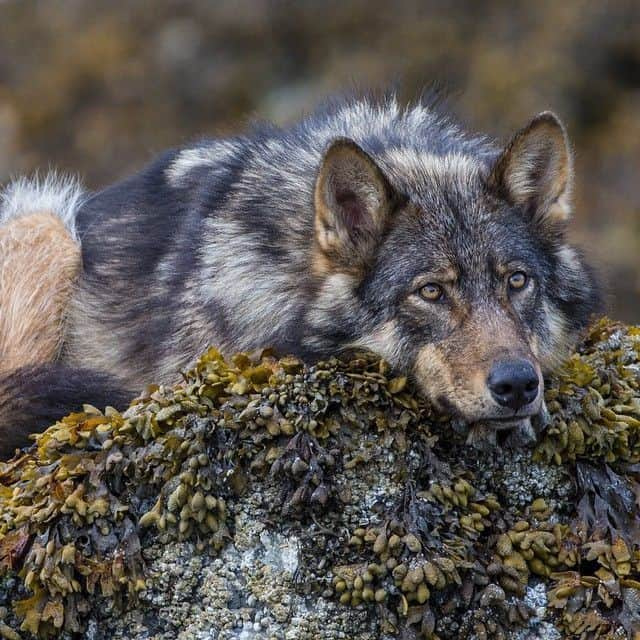
Collisions between humans and wolves are nothing new. There have been times in history when things between wolves and humans have gone wrong. Wolves can wreak havoc on a farm and slaughter livestock for no apparent reason at times. Agriculturalists despise them.
Men And Wolves
Wolves, on the other hand, rarely attack humans. Only the most ruthless are capable of doing so. While healthy wolves have been known to attack humans, such incidents are extremely rare. It only happens when they are in danger. The majority of the time, wolves stay away from humans due to fear.
A Risky Situation
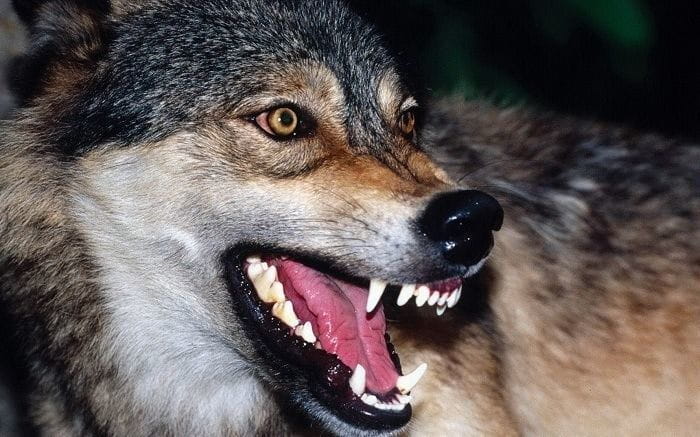
John was even more absolutely petrified when he discovered it was a timber wolf because he knew it wasn’t a coyote. At any moment, this could turn into a disaster. To get it back, he had to put his own life in jeopardy.
A Risky Situation
As a rule of thumb, one should not be afraid when dealing with wild animals. At every step, his heart beat faster and faster as he prepared to let go of the creature. Despite how terrifying it was, it was absolutely necessary.
Help From Dad
John’s father and a friend were with him at the time. It became clear to them that they couldn’t leave the animal in such a terrible state. They discussed it a lot. They, of course, tried to come up with a way to free the wolf without wounding it.
Help From Dad
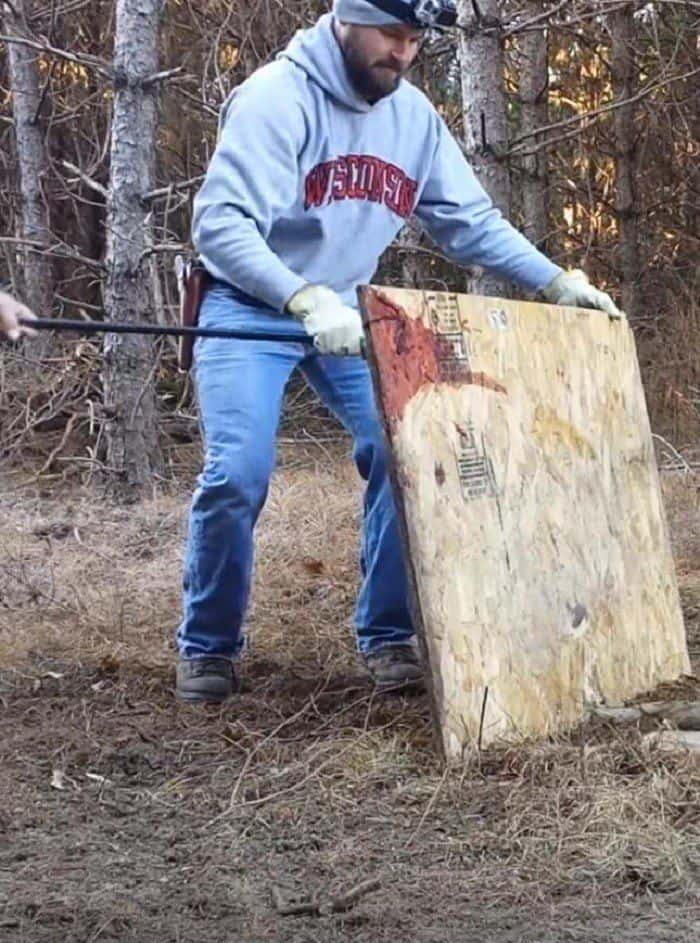
The simplest response was the best one. A rifle and a piece of plywood had been left in the car by his father, who returned to retrieve them. In the event that something went wrong, they needed these. It was their sincere hope that everything would be fine.
Waiting For Dad
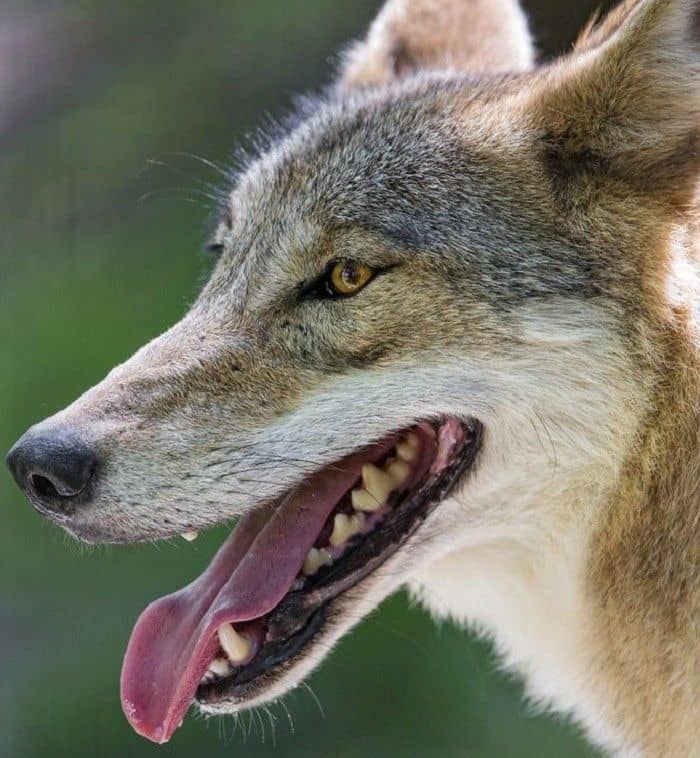
The wolf appeared to be getting used to the humans around him. The two men who remained stayed with the wolf while John’s father went in search of more supplies. It came to an end eventually. He could tell it was tired because he kept panting the entire time.
Waiting For Dad
For more information, John circled the issue. It was simply not an option for him to make a mistake at this point. They had to get the wolf out of there as quickly as possible, or they could all perish.
Thinking It Through
For John, the time since they’d discovered the wolf in its trap seemed like an eternity. It was difficult for him to remain calm and patient, but he persevered. This wasn’t your typical hunting problem, after all.
Thinking It Through
It was the first time he’d done anything like it. There were some doubts about whether or not the plans would allow them to free the wolf properly. But he was well aware that it would be difficult. It’s at this point that the gun and plywood come into play.
Plan In Motion
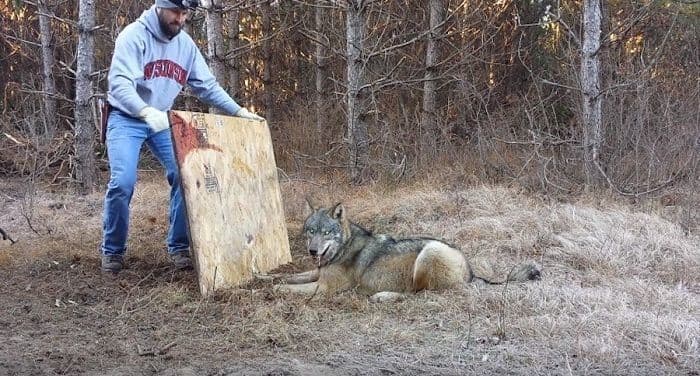
Things started to get going for John. He carried the plywood to the wolf and approached it. He shielded himself from danger by keeping the wood in front of him at all times. It should be able to fend off an attack from the wolf.

Plan In Motion
Throughout the whole thing, he had a friend by his side filming it all. When the wolf decided to attack, his father was ready with a gun in his hands. They were well-prepared, but they had no idea what would happen when they arrived. John drew closer…
Up to Him
The fact that he was afraid didn’t help matters. Despite the fact that his father had a rifle, things could go awry. If the wolf dove for him, he would be dead before his father could shoot him.

Up To Him
Either attack or flee when the wolf escapes the trap. No one knew what was going to happen or how they were going to know. It was as if they were bracing for the worst. John was aware that he had to keep the rescue effort moving forward.
In 3… 2… 1…
On the way up to the animal, his father tried to reassure him, telling him where the rifle was aimed at the beast’s head. This was the only option they had if it leaped to keep John safe.
In 3… 2… 1…
They were pressed for time. John was prepared to the nth degree. The man in the video looked at his friend. His friend was only able to offer him moral support. It was finally time to put the strategy into action.
On Different Sides
There was a convenient notch in the plywood. This would be positioned on the wolf’s paw. John then placed and lowered the plywood over its paw. This was the general idea.
On Different Sides
The paw is held securely in place by the notch. After that, John turned to face the wolf, who was gnawing and scratching at a piece of wood with his teeth. It was fierce and poised to strike at any moment. Would it be able to deduce that John was trying to help?
The Veteran Hunter
John has been going on hunting trips with his father since he was a small child. Normally, he hunted wild animals, but this was a new experience for him. There was an understanding among them that the sheet of plywood might serve as some form of defense for him.

The Veteran Hunter
While he was putting the trap in place, the plywood kept John safe from the wolf’s gaze. However, he could only be protected while the wolf was restrained. As soon as it was untethered, nothing could stop it from pursuing him.
What He Found
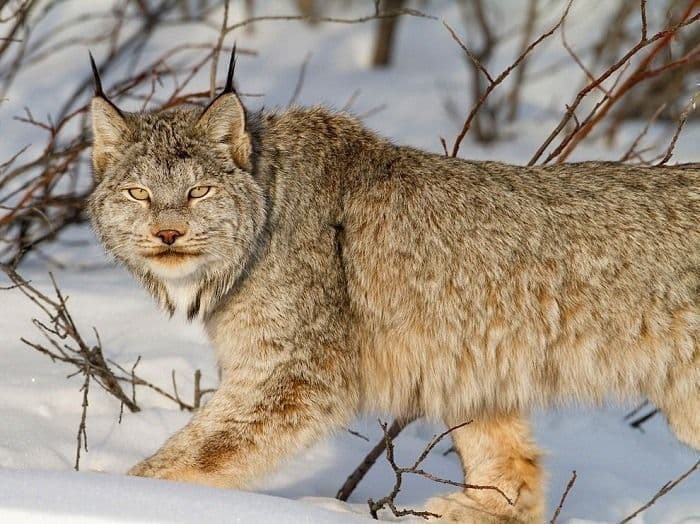
Many amazing creatures have been seen by him on previous journeys. A wide variety of animals can be found in Wisconsin. He even came face-to-face with a Canada Lynx. All kinds of creatures could be found in the woods!
What He Found
He was astounded by the cat’s massive size. As much as possible, the two predators try to avoid humans. Hunting at night is the most likely scenario in which it was captured. John was mesmerized by its beauty.
Bobcat And Lynch
Both of the animals he captured share many similarities. Animals were frequently caught in his nets. Because there were so many bobcats in the forests he visited, it was bound to happen.
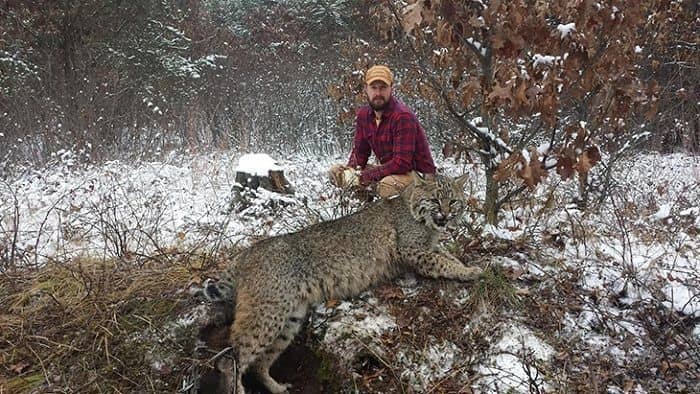
Bobcat And Lynch
People and bobcats usually only come into contact when the bobcat is rabid or otherwise ill. When this happens, kids tend to become more erratic. In addition, they frequently eat smaller animals as prey.
Telling Them Apart
More bobcats live in the wild than there are lynxes. Because they’re both shy, they’ll try to avoid you at all costs. If you see a large cat, how can you tell what kind of animal it is? It’s common for people to confuse the two.
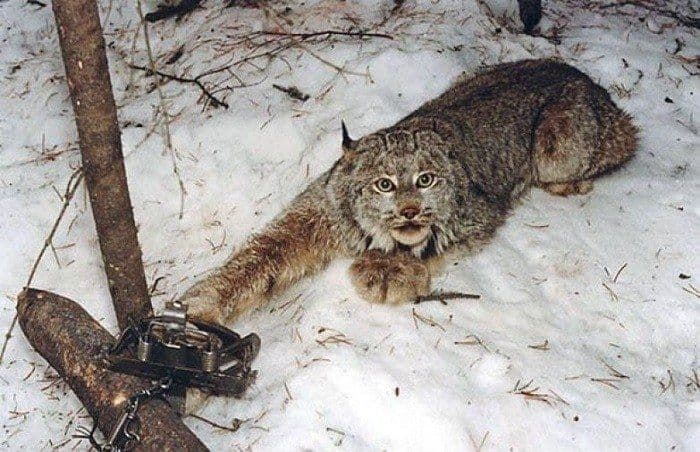
Telling Them Apart
The ear canals must be examined first. The tips of a lynx’s hairy ears are covered in long tufts. Short hairs cover the ears of the bobcat, in the meantime. Their tails are also distinct. Lynxes have black-tipped tails, while bobcats have black-and-white-striped tails.
Hungry Animals
It’s easier to move smaller animals like coyotes and raccoons, but moving large animals can be tricky. There must have been a 150-pound timber wolf on the loose! How on earth are they going to move it?
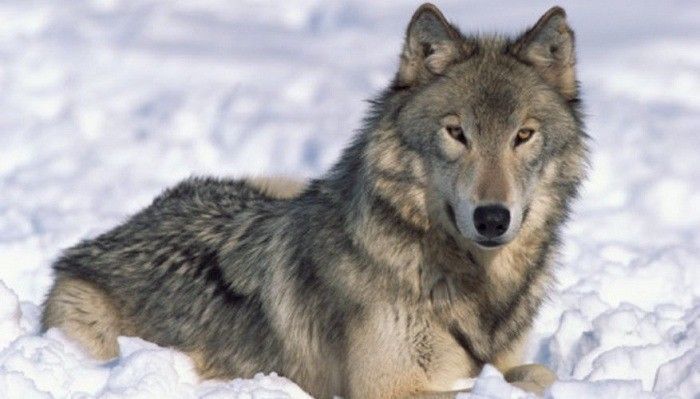
Hungry Animals
They are the most dangerous of Wisconsin’s wild animals. To capture and release them is a challenge. Many people will tell you that it’s impossible to do it safely!
Meeting A Wolf
Wolves are dangerous, despite the fact that they rarely attack humans. If you expect it to flee and leave you alone, you’ll be disappointed. Stay still and watch for it to leave if you see one.
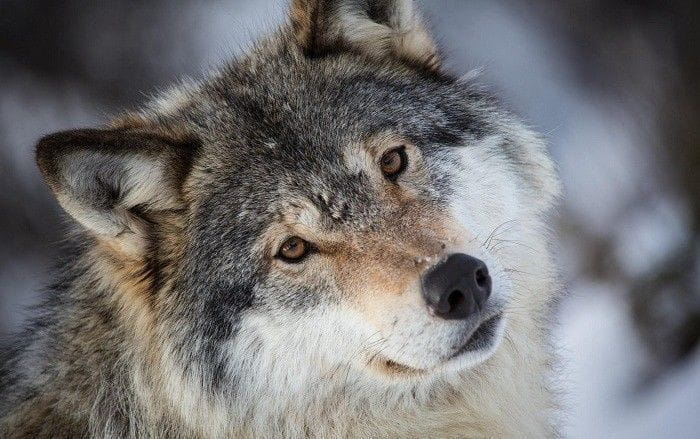
Meeting A Wolf
It’s crucial not to look at the animal in the eyes. If you turn your back on it, it will pursue you. Rather, scream and wave! Throwing a branch or a rock at it will also scare it away.
Releasing The Wolf
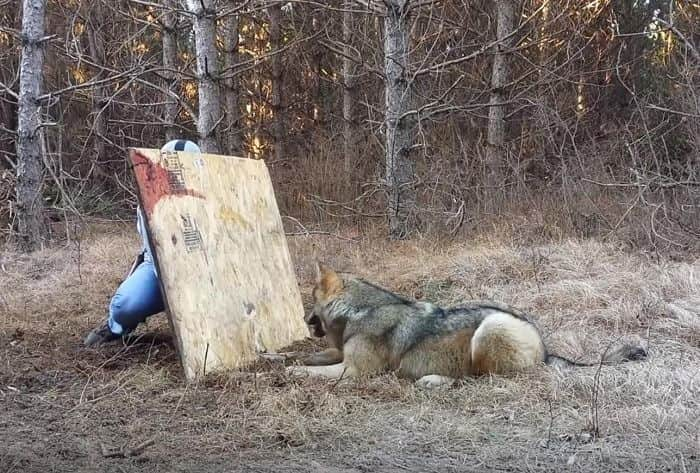
In order for him to let go of the timber wolf, he needed to do so now. The time had come for him to take action. John was about to find out if he was going to live or die with only the plywood separating them.
Releasing The Wolf
The plywood had a negative impact on the wolf’s behavior. When he became terrified, he bit it to show it. With his free hand, John let go of the trap. He had to be very careful with it, which was a challenge.
Free At Last
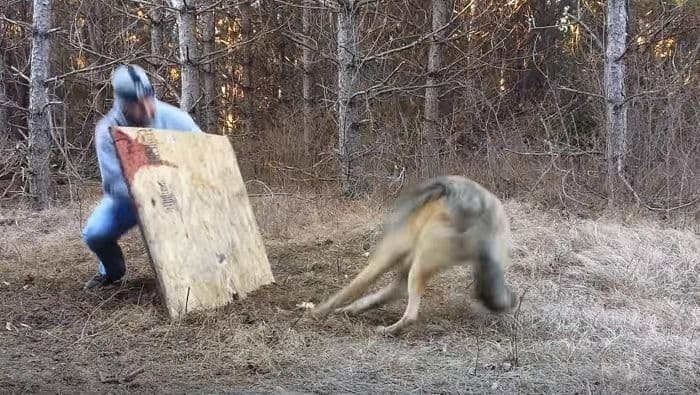
At long last, he was able to free the wolf’s paw! The wolf circled around for a few seconds before fleeing. Everyone was relieved to learn that John was safe and the wolf had been released. I feel so much better now!
Free At Last
Everyone was relieved that they were able to resolve the issue without causing any damage. They exchanged congratulatory nods and smiles. The wolf’s reaction was captured on video by his friend, and they were awestruck.
A Last Look
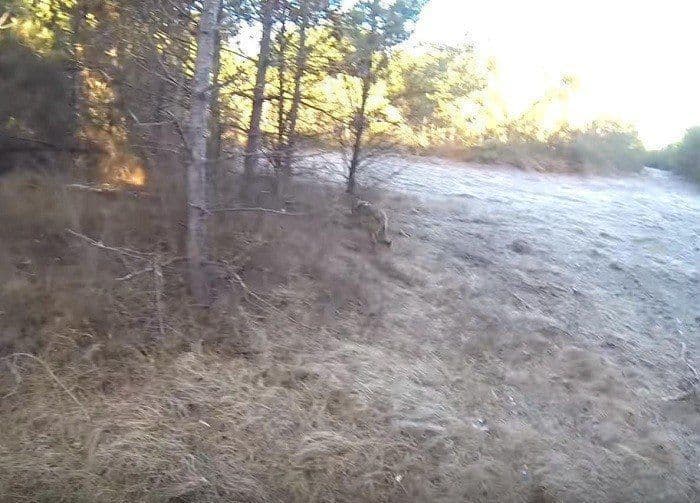
When they watched the video, they noticed what the wolf was doing at the time. It paused for a second to take a look at John before running off into the woods. Would you believe that was an attempt to show gratitude?
A Last Look
The video showed John exactly what he needed to see, but he didn’t see it pause when it did. His final decision was correct, which is fortunate. He breathed a sigh of relief when he realized the wolf was still alive.
His True Feelings
True, John rescued the trapped timber wolf. Moreover, it revealed his antipathy toward the timberwolves. He must have known they’d be as annoying as the coyotes who used to hang out in that area.

His True Feelings
Wild and domesticated animals are frequently prey for timberwolves. In order to scare or irritate their pets, they may perform this act. Wolf attacks on domestic animals were not unknown to John; he had read reports of such incidents. Wolf territory was something that he appreciated, but it didn’t make him feel any better.
Too Smart
Keeping wolves and coyotes away from farms is a perennial source of consternation for many people. To keep livestock and pets safe, wouldn’t it have been simpler to erect a fence? Unfortunately, they are also capable of digging and jumping. Yikes!

Too Smart
Additionally, the amount of space that needs to be fenced in is often insurmountable due to the height of the fences. It is not uncommon for wolves to perform vertical jumps of up to six feet in the air. Fencing and other obstacles are no match for their cunning.
Trapping Animals
As a trapper, John uses animal traps in his work. For catching and attracting animals, they frequently use bait. Using urine or its scent is the simplest way to accomplish this.

Trapping Animals
When trying to catch a coyote, trappers often use food and other types of bait. There is a lot of meat and dog food in use. Wolves are also attracted to the baits. From a distance, they are able to detect food that is in the vicinity.
Other Animals
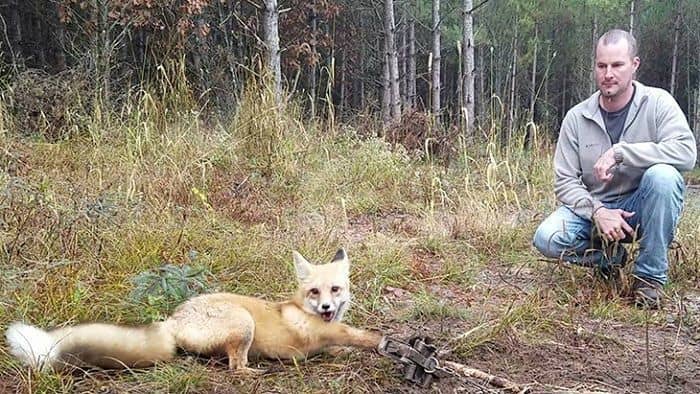
John, too, is a trapper. To keep coyotes away from pets and farms in the area, he tried to capture them one day. However, he has a lot of experience with catching other animals. Is it possible that his baits are attracting animals that aren’t his target?
Other Animals
This photo shows him with a red fox he caught. He also used a piece of plywood to free it from its restraints. Despite its small size, it’s known for its contagious bite.
And Badgers Too
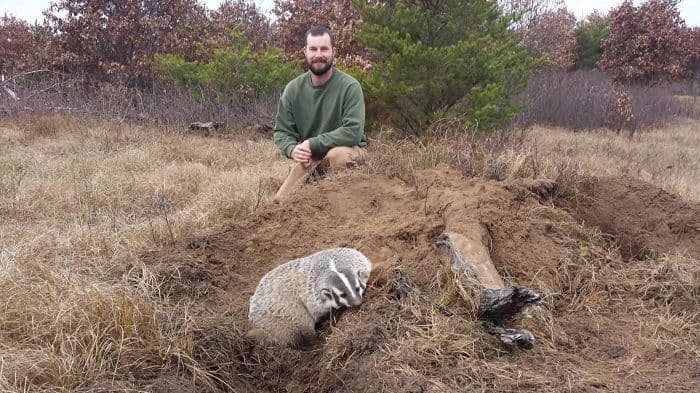
We can reasonably assume that John has caught all of the species listed above. It’s surprising to learn that small mammals can be more aggressive than we thought.
And Badgers Too
As vicious as black bears, an American badger was once captured by him. John had to be careful when dealing with this creature. They pose a threat because of their propensity for violence and lack of self-control.
A True Pest
When it comes to badgers, people who live on farms have a lot to worry about. Crops are regularly destroyed, pets are killed, and other animals are harmed. The devastation they cause is well-known in Wisconsin, and John was acutely aware of it.

A True Pest
Farmers and trappers use badger traps in an attempt to control the badger population. Despite the fact that they have fur, these animals should not be kept as pets. Their claws and teeth are razor-sharp! Aside from that, they have an abhorrent smell.
Tips For Trappers
Is animal trapping something you’d like to try? Keep these things in mind, whether you’re trying to get rid of dangerous bugs or just for fun.
Tips For Trappers
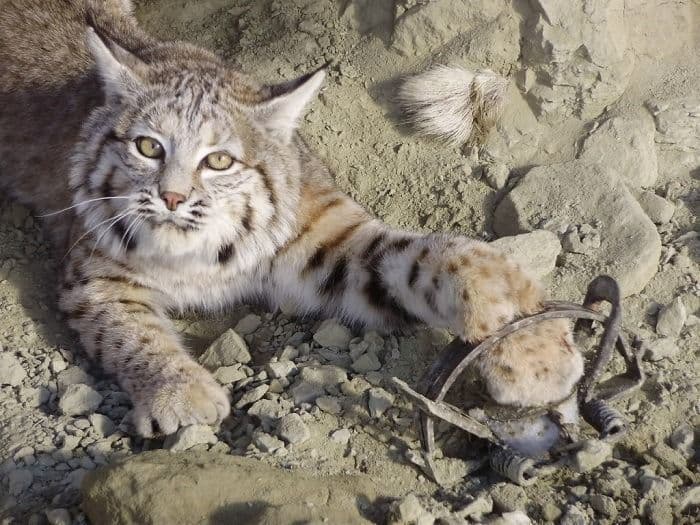
Before they can do anything else, trappers must get a hunting license. The next step is to proceed with caution. A trap could catch your hand or foot if you’re not careful!
Fur Trading Industry
Nowadays, people prefer faux fur over real fur. In today’s society, does the trapping industry exist? What’s more important is whether or not people are correct in their belief that trapping should be illegal.

Fur Trading Industry
It’s important to know that animals are hunted for more than just their skin and fur. In this exercise, nearly every muscle in your body is being used. Afterward, the carcass is used as animal food, bait, and even compost.
History Of Trapping
History of the trade and trapping of furs is very complex. Since the 17th century, the fur trade has been thriving! Trappers used to travel east to sell their wares in order to make more money. This was the time period.

History Of Trapping
For a variety of furs, there was an enormous demand. Aside from that, wild animals had taken over much of the West. The animal population began to decline as a result of overhunting, and the industry began to suffer as a result.
A Double Whammy
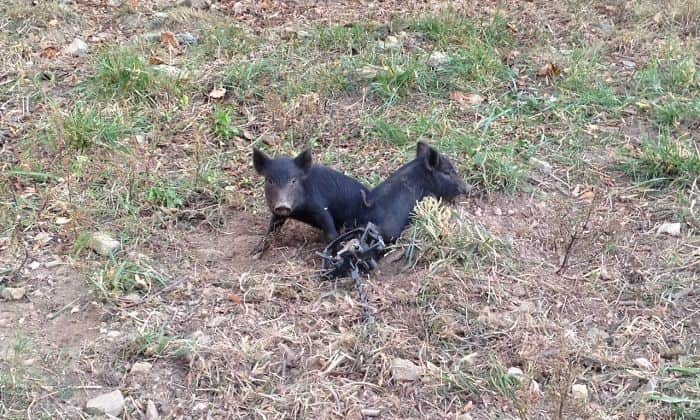
Trappers are often surprised to find strange items in the traps they set. John wasn’t the first person to notice something was amiss in the room. When a trapper found two baby pigs in his trap, it was a double whammy! Is this something that happens on a regular basis?
A Double Whammy
The community’s gardens and crops have been decimated by small animals. If they had gone on like this, they would have wiped out the entire world! The free meals made it difficult to weed out the scroungers.
Trapping A Bear
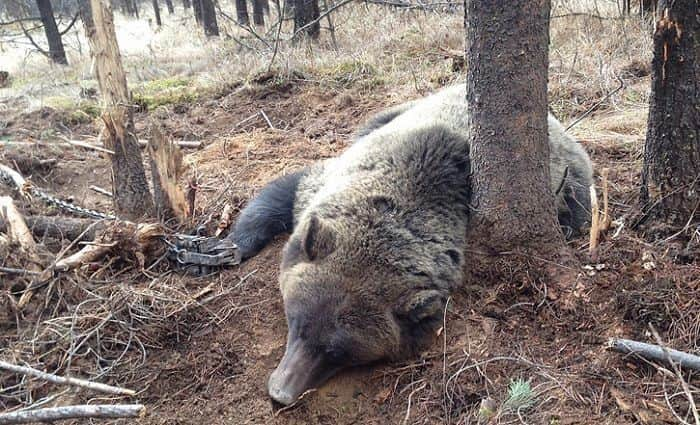
It’s true that small animals can be a nuisance, but larger animals can be downright infuriating. Some trappers found it in a coyote trap. In the end, it managed to capture an enraged bear.
Trapping A Bear
They had to free the massive animal, even though it was agitated and violent. This was eerily reminiscent of the predicament that John and his men had found themselves in. Officers from the local conservation department were summoned to the scene.
A Smelly Trap
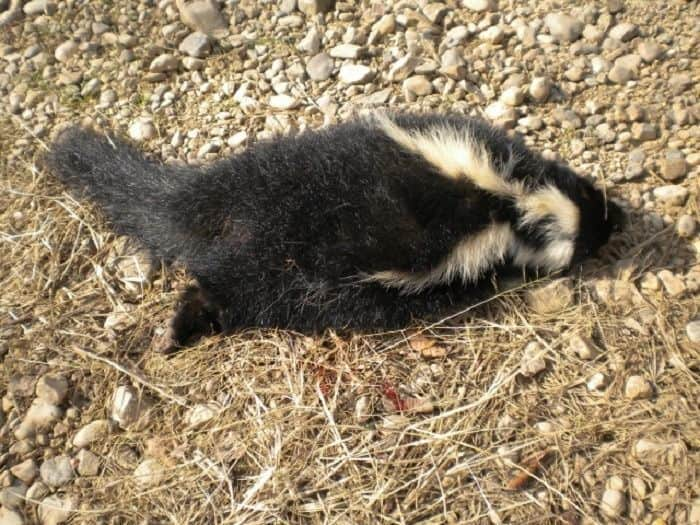
We’re sure you’re not surprised by the stench of a skunk. They give off an odor when they’re scared and confined. Trappers often get a heads-up on what’s going on before they even see it thanks to this method.
A Smelly Trap
You can smell the spray from a long distance away because it is so powerful. Skunks, on the other hand, have razor-sharp teeth and claws that can do serious harm. Even the undead have the power to cause great harm!
Something Bizarre
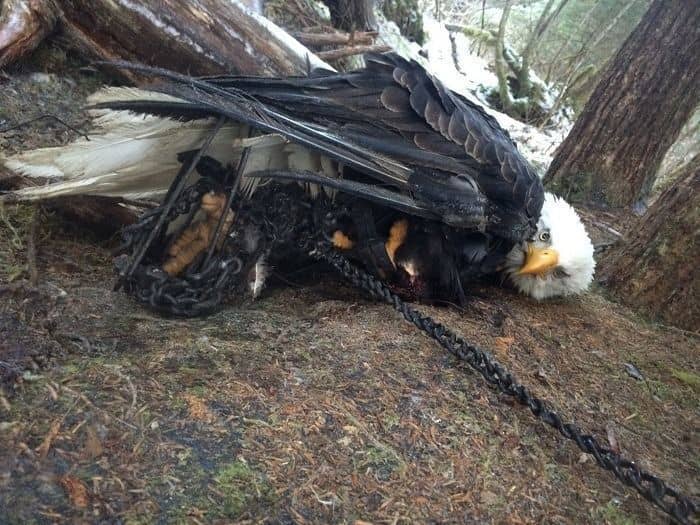
A bald eagle was once caught in a coyote trap. The enormous bird was discovered by a hiker in Juneau, Alaska. She took a picture of the irritated bird, but then let it go afterward.
Something Bizarre
Unfortunately, the person responsible for tampering with someone else’s trap was caught and sentenced to prison time. She was hit with a $500 fine! She then went to court but was granted an amnesty by the judge because he was impressed by her actions. There were too many injuries to the bird, so it had to be put down.
The Poor Deer
Don’t we all know that eagles can be dangerous? We have all the proof we need in this photograph. The sika deer in the photo was clearly taken aback by the eagle. The bird prevailed in the end, defeating the hapless deer.

The Poor Deer
At around 10 pounds, the golden deer should be about 80 pounds. These things don’t really matter in the wild. The owner discovered the deer’s body several hours later.
Hog And Raccoon
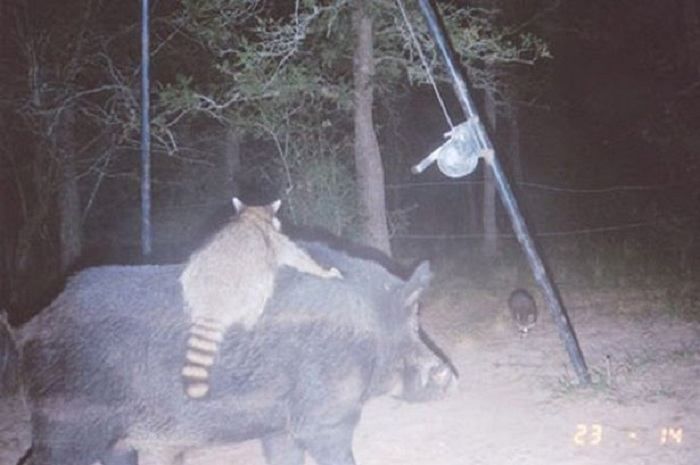
Doesn’t this picture crack you up?! Is depicting something that we can’t see with our own eyes.? Night-vision cameras are a godsend. In order to find out what was causing the feeders to empty, the landowner put up a camera.
Hog And Raccoon
That’s something he had no idea was going to happen to him. He was proven correct when he discovered that the wild hog had eaten the maize. The hog, on the other hand, had a raccoon accompanying it! Consequently, the corn fell from the feeder.
Squirrel And Deer
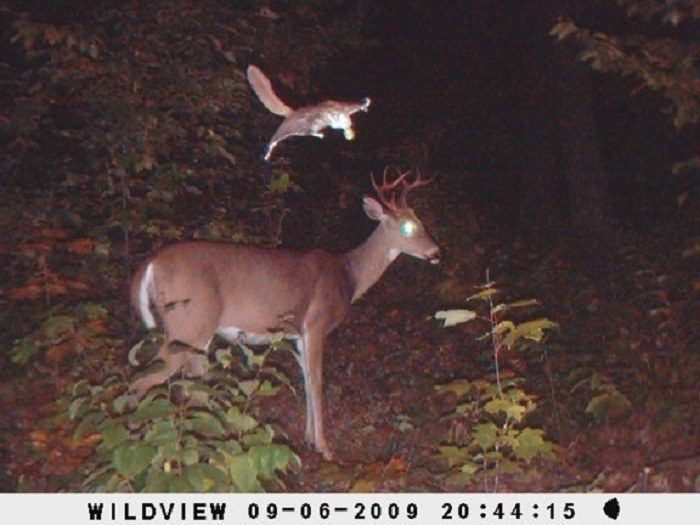
This image depicts yet another remarkable relationship between two species that are very different from each other. Walking through the woods, I came across this deer. It had no idea a flying squirrel was going to attack it from above.
Squirrel And Deer
What the squirrel was doing is unknown, but this picture perfectly captures how the event felt. The squirrel’s ambush was successful because the deer was oblivious to what was going on.
Is That Bigfoot?
Roger Williams from Virginia took this picture. We want you to take a closer look, even though it appears to be a standard photograph. He has a picture of something that looks a lot like Bigfoot, according to popular belief.

Is That Bigfoot?
A large number of people believe the photo is fake in some way. It has been confirmed by experts, however, that it is the real deal. However, many people remain skeptical of Bigfoot’s existence despite the evidence.
Coyote Tag Team
So many fascinating events have been documented by wildlife cameras. Because they occur at night, we will never see these things for ourselves. Two coyotes appear to be closing in on their prey in this image.
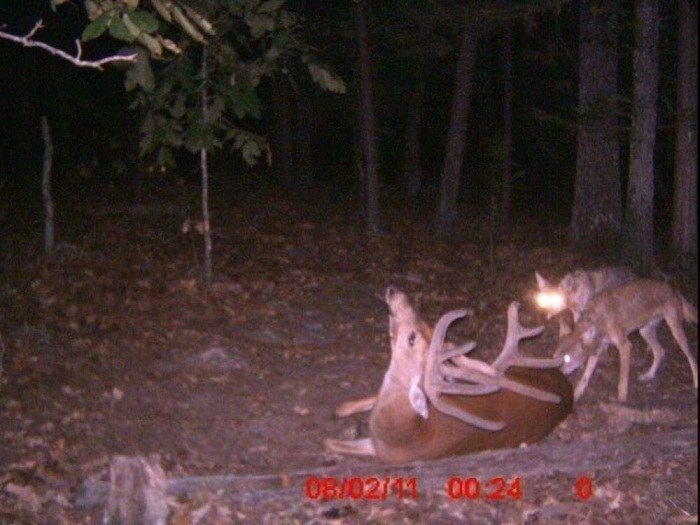
Coyote Tag Team
Even if the coyotes came out on top, the battle must have been thrilling. Finally, everyone in the pack had a chance to eat. When you consider the size disparity between the two animals, it’s a little unnerving.
Making Trapper Money
If you’re interested in becoming a trapper, you’ll be happy to learn that you can make a living doing so. A lot of people make a living doing this. It may seem outdated, but where there’s a will, there’s a way.
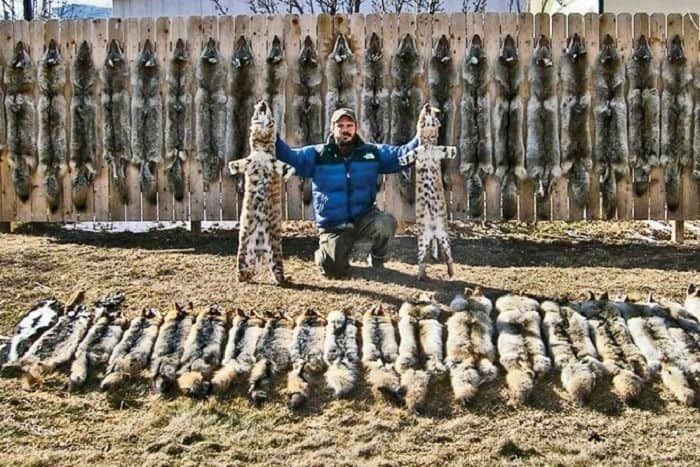
Making Trapper Money
In this field, Jerry Ward is an expert. Despite the fact that he traps in the area, this Arkansas resident makes an annual trip to Alaska. He sells his furs all over the world, including in Russia and China. He makes about $30,000 a year from his successful business.
Making More Money
Clint Locklear is an even more successful trapper. He broadened the scope of his hunting and trapping expertise by joining forces with a new company. On the side, he runs his own school where students can learn his skills.
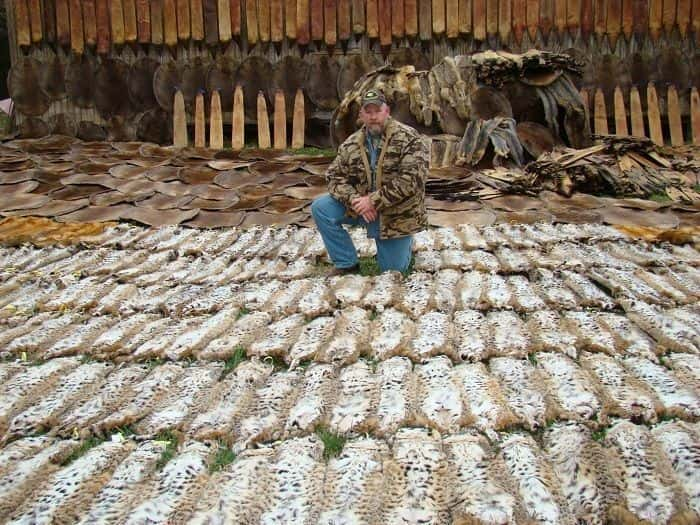
Making More Money
Hunting and trapping enthusiasts know him well. Since he’s been to so many events, many people are curious about what he knows. He teaches his apprentices how to set traps and collect high-quality furs.
The One-Eyed Hillbilly
Another trapper has stepped things up a notch. One-Eyed Hillbilly Greg Stephens has been hunting since he was a kid. Due to his upbringing in the Ozarks, he is well-known in the hunting community.

The One-Eyed Hillbilly
He started trapping as he got older. He has a sizable online fan base! On his social media accounts, he posts pictures of his traps and killings. He does it primarily for nutrition. He makes a point of visiting the Rocky Mountains and Alaska in search of the finest furs on the planet.
It Is Risky
As the saying goes, “It’s all fun and games until someone loses an eye.” That’s exactly what happened to him, too. Even if you enjoy trapping, it’s not the most secure hobby.

It Is Risky
Greg Stephens discussed it on his blog. He has numerous trapping-related injuries. While he has experienced poor luck in the past, he is not afraid to discuss it. He wants people to understand what they’re getting into.
Free From Traps
Everyone isn’t a fan of people who use traps. A large population of nuisance species, on the other hand, is a problem. What do you have to work with?

Free From Traps
To avoid the use of traps, a group is making an attempt to relocate animals. Wyoming Untrapped does not tolerate leg hold traps. Trapping and transporting animals is done in a humane manner instead.
The Necessity Of Hunting
On both sides of this debate, there are compelling arguments. This issue has both proponents and opponents, and each side has a strong case to make. However, your decisions and moral compass will dictate which side you take.

The Necessity Of Hunting
Hunting is seen by many as having a rationale. This is the way we’ve always done things around here. They only need to follow a few rules and guidelines. Some people, on the other hand, think it’s revolting.
Not Only Pests
Other creatures are harmed as well as irritated by the annoyance and destruction caused by certain bugs. These traps end up catching a lot of household pets! Take a look at this sad dog, for example.

Not Only Pests
It’s impossible to completely prevent this from happening, so one must be careful. Many trappers, on the other hand, prefer to downplay the fact that traps are responsible for the deaths of more than 4 million pets each year.